J52804
also recorded as 生基嘴M10-1
- Y-DNA
- D-Z31601
- mtDNA
- G2a4
- Major branch
- D-F6251 (continental)
- Sex
- Male
- Site
- Shengjizui 生基嘴墓群
- Region
- Bishan, Chongqing, China
- Age
- 明代 (Ming dynasty)
Publication
考古学和古DNA证据揭示重庆璧山生基嘴人群受到明代移民活动的影响 (Archaeological and ancient-DNA evidence for Ming-dynasty migration at Shengjizui, Bishan, Chongqing)
The Shengjizui tomb cluster
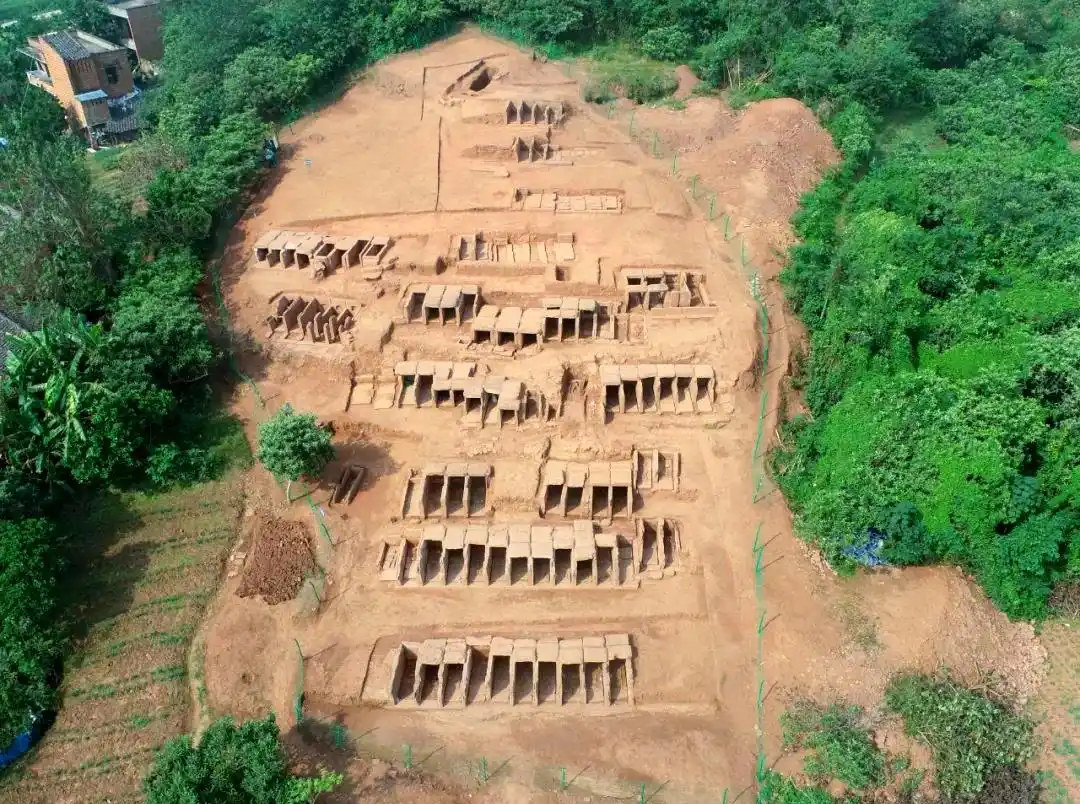
The Shengjizui cemetery (生基嘴墓群) lies in Bishan, Chongqing. Ten individuals from the cemetery yielded usable ancient DNA; six carry Y‑chromosome lineages downstream of D‑M174, and all six sit within the continental D‑F6251 branch. The source study reads the cemetery against the Ming‑dynasty resettlement of Sichuan and Chongqing.
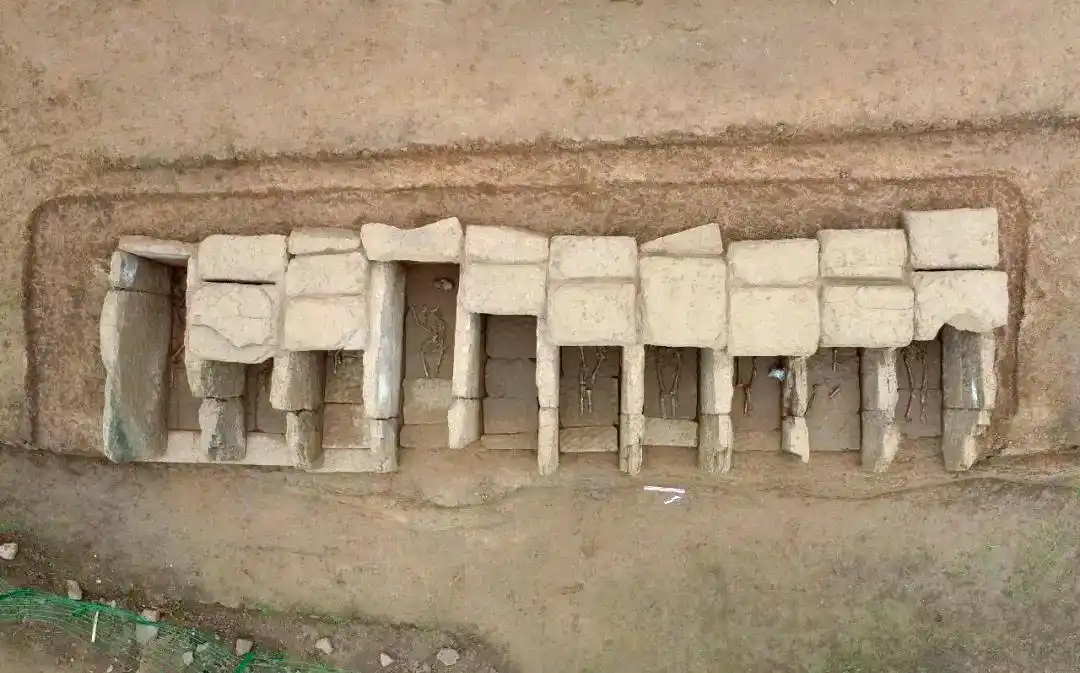
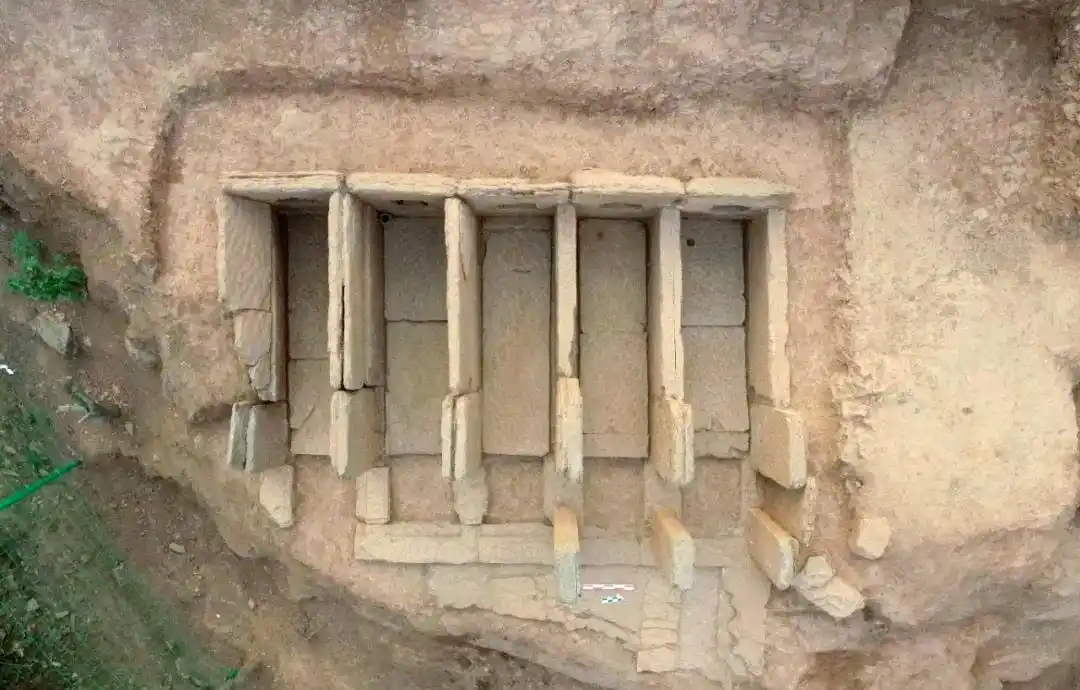
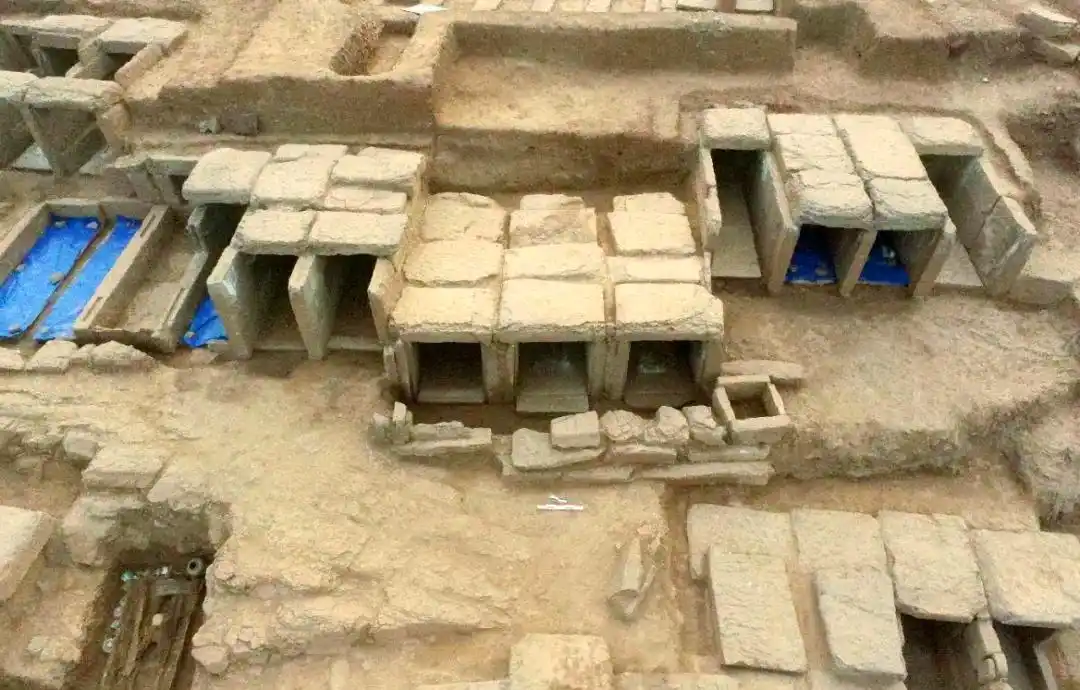
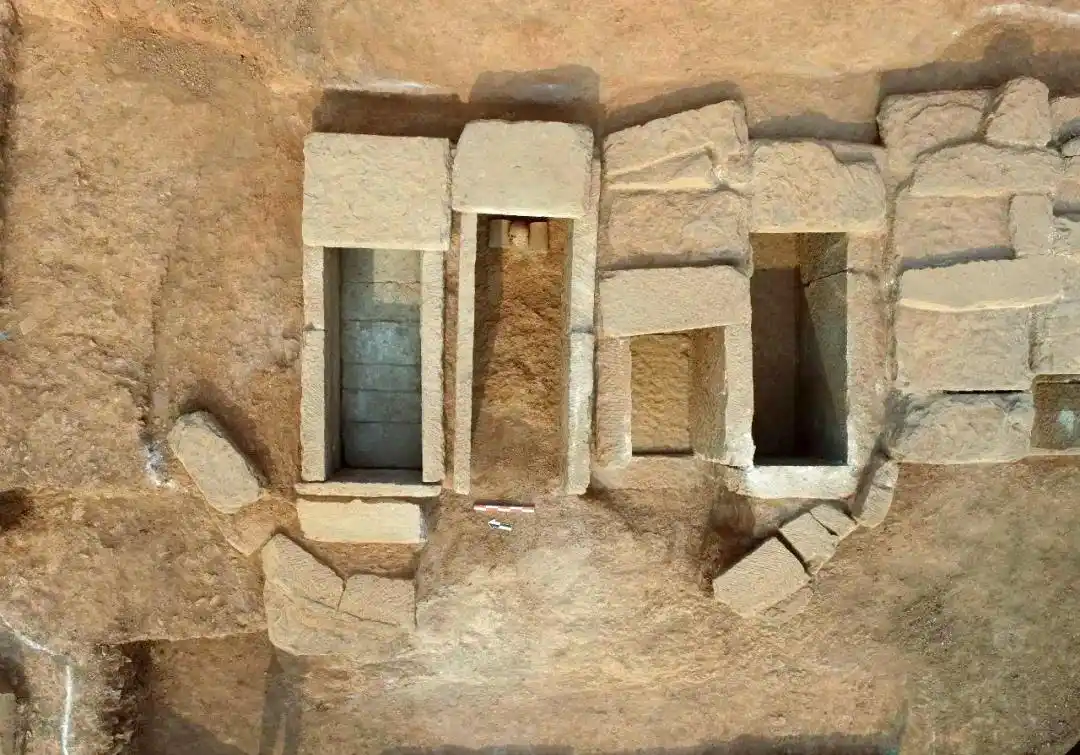
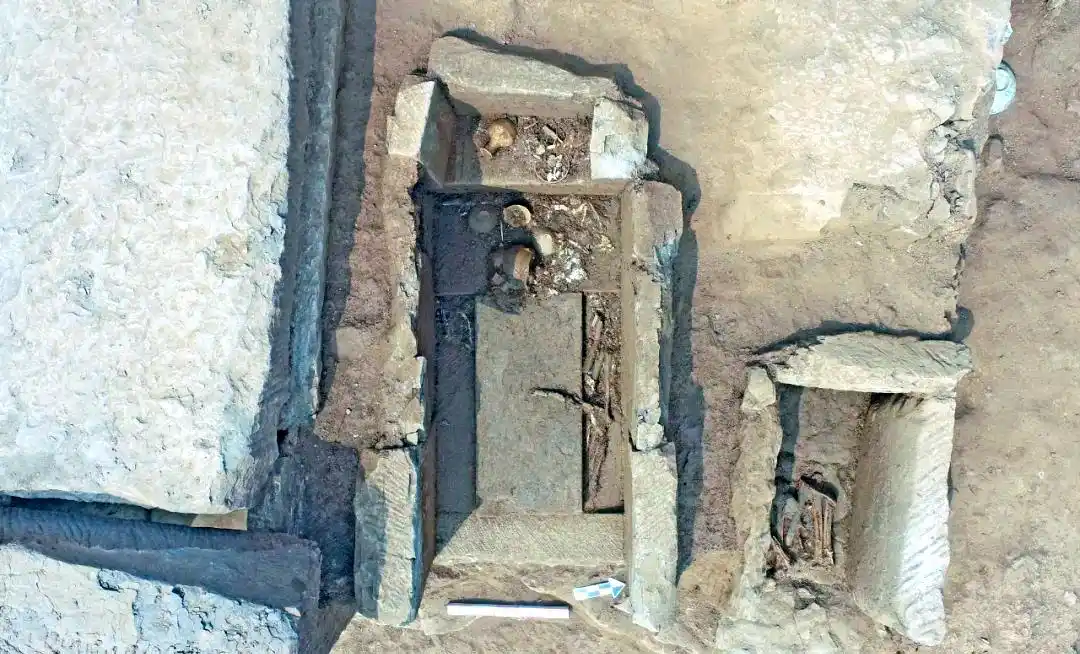
The tombs are stone‑slab chamber graves, cut in dense parallel rows into the hillside.
Table 1 — Human bone test results from the Shengjizui tomb cluster
Transcribed from the source publication. Y‑haplogroups are given in the paper’s combined
ISOGG-plus-SNP form; the shorthand used on this site is shown in the last column. An asterisk
with x… means the sample tested negative for the bracketed downstream markers.
| Burial | Sample | Endogenous | mtDNA | Y‑DNA (as published) | Shorthand |
|---|---|---|---|---|---|
| 生基嘴 M25-2 | J41608 | 11.35% | F3a1 | / | — |
| 生基嘴 M25-7 | J22118 | 19.65% | M7c1c | / | — |
| 生基嘴 M25-4 | J41607 | 5.50% | F2c | D1a1a1a1b-Z31616/etc*(xZ31625,Z31584) | D‑Z31616 |
| 生基嘴 M11-2 | J40207 | 12.36% | B5b1 | D1a1a1a1b-Z31611 | D‑Z31611 |
| 生基嘴 M16-3 | J50208 | 1.63% | B4b1a2 | D1a1a1a1b-Z31599*(xZ31625) | D‑Z31599 |
| 生基嘴 M12-1 | J50704 | 5.25% | D4 | D1a1a1a1b-Z31601/etc*(xZ31584) | D‑Z31601 |
| 生基嘴 M24-11 | J51405 | 17.55% | B5a1c1a1 | / | — |
| 生基嘴 M10-1 | J52804 | 3.31% | G2a4 | D1a1a1a1a-Z31601/etc*(xZ31584) | D‑Z31601 |
| 生基嘴 M10-6 | J52805 | 1.99% | A14 | / | — |
| 生基嘴 M28-2 | J61811 | 7.65% | G1a | D1a1a1a1b-Z31623 | D‑Z31623 |
Note: M10-1 is published as D1a1a1a1a, whereas the other five are D1a1a1a1b — one letter apart, a genuine split within the cemetery rather than a typo on this site.
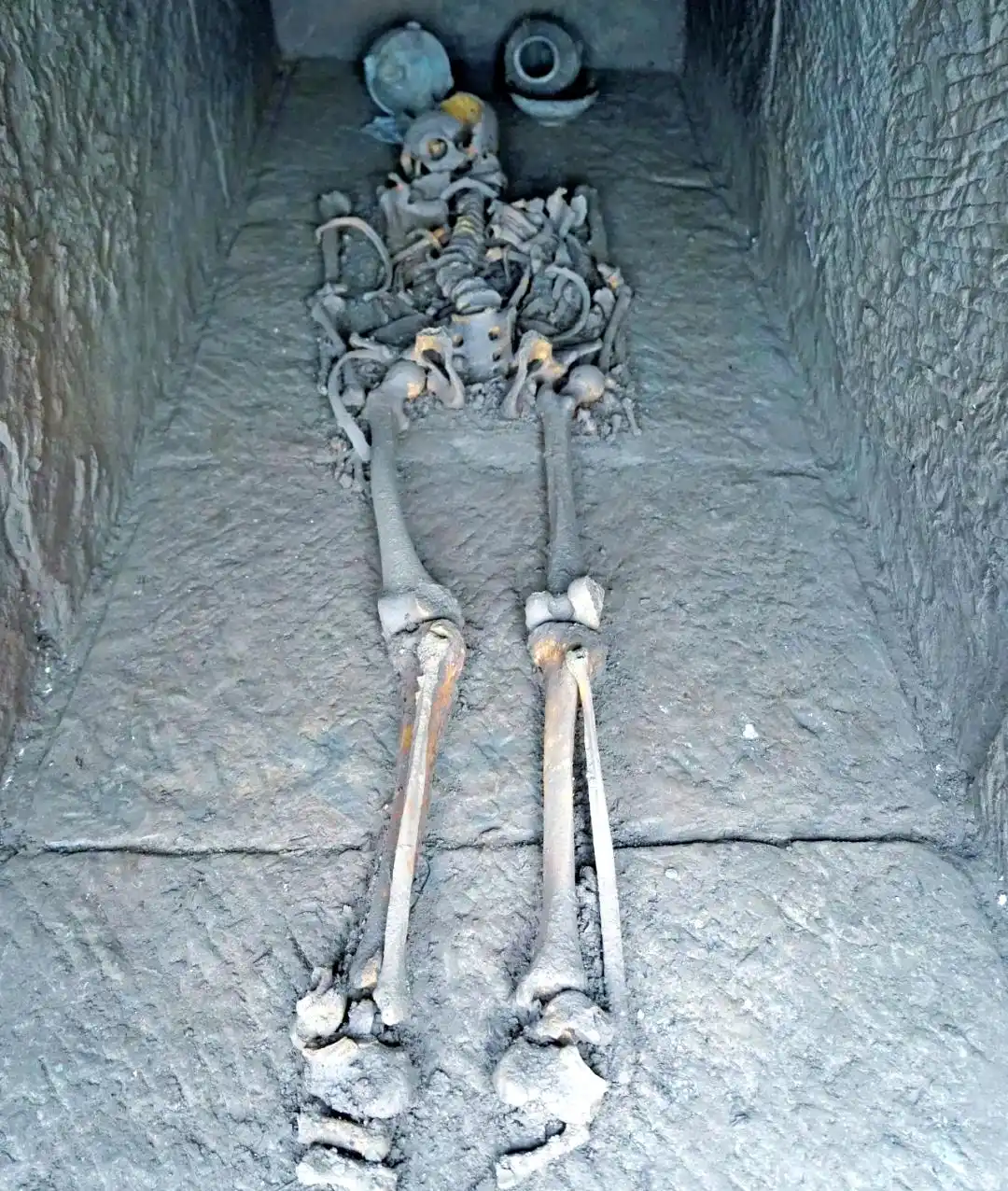
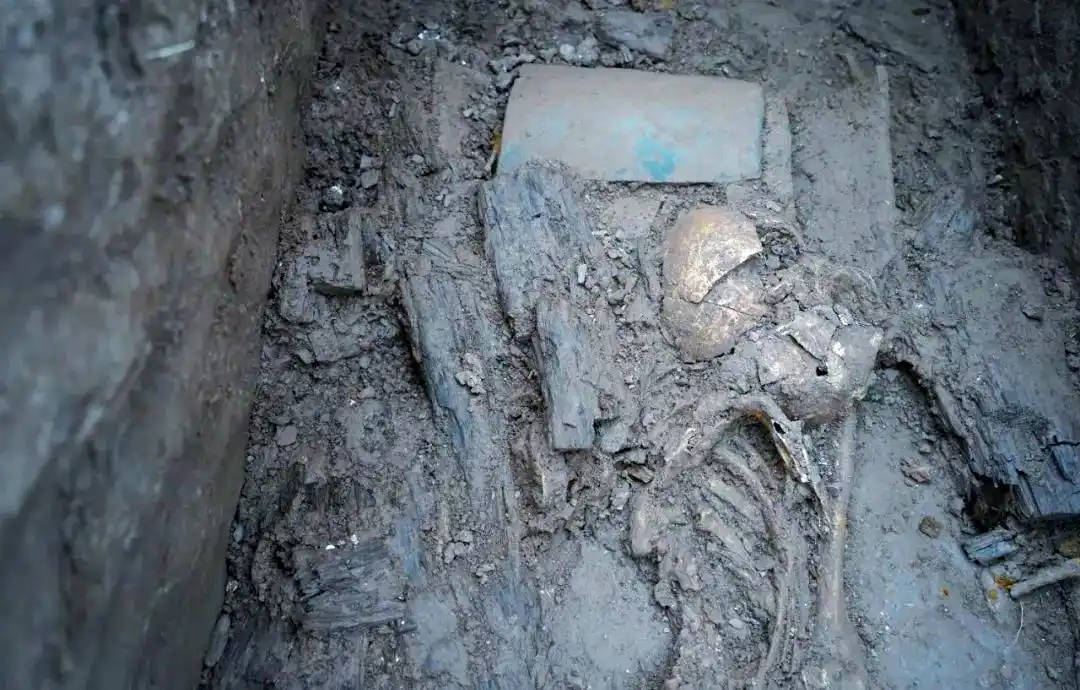
Excavation photographs
Photographs of the Shengjizui excavation. Source: the excavation/publication record — add the formal credit line before this page goes public.